The camera requirements for reliable ANPR/LPR: RTSP/ONVIF support, resolution, shutter speed, IR/WDR, and mounting angle and distance. A practical technical checklist.
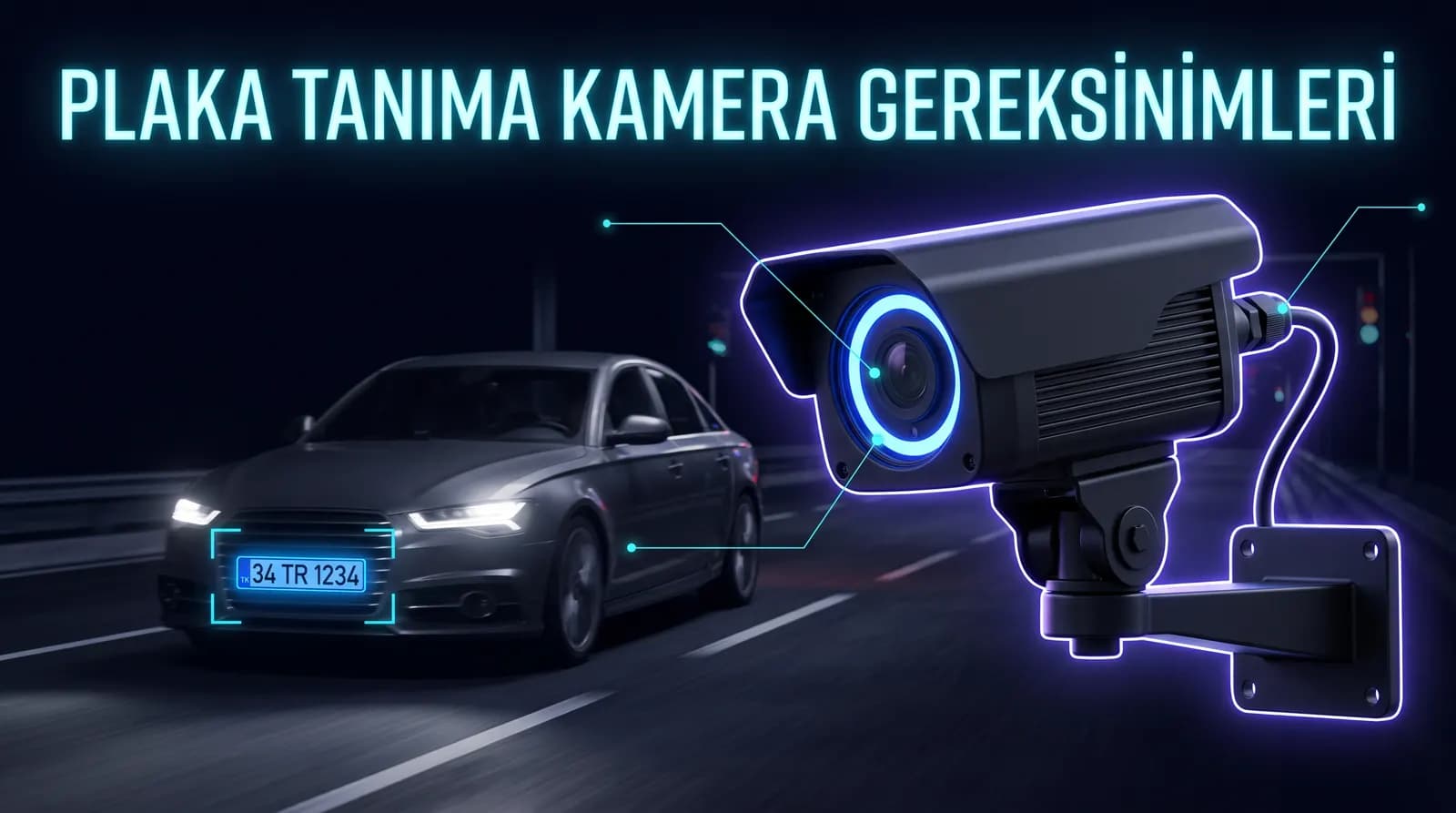
Most ANPR accuracy problems are not software problems — they are camera problems. If the camera cannot deliver a sharp, well-exposed image of the plate, no engine can read it reliably. This checklist covers the camera requirements that matter for license plate recognition.
Connectivity: RTSP and ONVIF
The camera should expose an RTSP stream and, ideally, be ONVIF-compliant so software can connect to it in a standard way. RTSP lets the ANPR engine pull the live video; ONVIF simplifies discovery and configuration. Confirm both before buying.
Resolution and Plate Pixel Height
Higher megapixels do not help if the plate is small in the frame. What matters is plate pixel height — the number of pixels across the plate's characters. As a practical target, aim for roughly 150–250 pixels across the plate width at the read point. Position and zoom the camera so the plate fills enough of the frame at the trigger zone.
Shutter Speed
Moving vehicles blur at slow shutter speeds. For a barrier entry where cars move slowly, a faster shutter (for example 1/500–1/2000 s) freezes the plate. Free-flow lanes with faster traffic need even faster shutters. A dedicated ANPR camera exposes shutter control; many general CCTV cameras do not.
IR Illumination and WDR
At night and in strong backlight, IR illumination and Wide Dynamic Range (WDR) keep the plate legible without blooming from headlights. A dedicated LPR camera usually includes IR tuned for retroreflective plates.
Mounting Angle and Distance
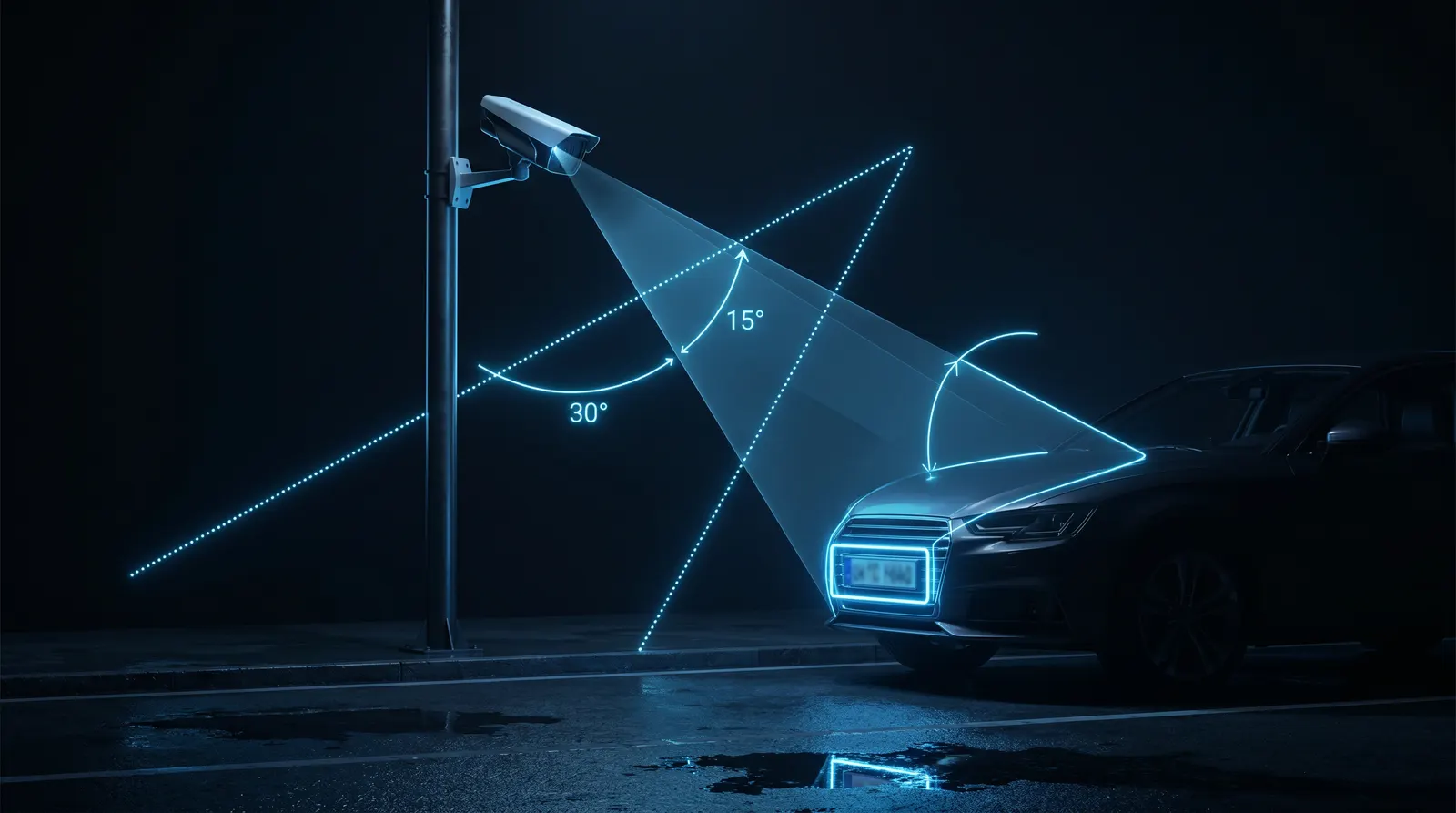
Keep both the horizontal and vertical angle narrow — as a rule of thumb, under about 30° vertical and 15° horizontal relative to the plate. Too steep an angle distorts characters. Mount at a distance and height where the plate stays within that cone across the read zone.
Can You Use an Existing Camera?
Sometimes. If your existing IP camera supports RTSP/ONVIF and can provide the resolution, shutter and angle above, it can work. General security cameras optimized for wide scene coverage often do not meet the shutter/angle needs. See IP Camera ANPR Compatibility Guide and Plate Recognition Camera Selection Guide.
How PlakaNet Fits
PlakaNet reads from standard RTSP/ONVIF IP cameras and runs fully offline on Windows, so you can use compliant cameras you already own or a dedicated LPR camera. Explore our solutions or download the free trial.
Summary
Get the camera right first: RTSP/ONVIF connectivity, enough plate pixel height, fast shutter, IR/WDR for night, and a narrow mounting angle. With those in place, a good ANPR engine reads reliably day and night.